Table of Contents
- Key Takeaways
- Quick Verdict
- Real-life Context
- Product Overview & Specifications
- Real-World Performance & Feature Analysis
- Design & Build Quality
- Performance in Real Use
- Ease of Use
- Durability / Reliability
- Pros & Cons
- Comparison & Alternatives
- Cheaper Alternative – Plastic Quick‑Release Ligature ($35)
- Premium Alternative – Hand‑crafted Gold‑Plated Brass Ligature ($225)
- Value Decision Matrix
- Buying Guide / Who Should Buy
- Best for Beginners
- Best for Intermediate Players
- Best for Professionals
- Not Recommended For
- FAQ
- Will the metal ligature affect my tone?
- How often should I re‑tighten the screws?
- Can I use this ligature on an alto clarinet?
- Is the silver finish prone to tarnishing?
- Is the $97 price justified?
- What’s the warranty process?
When a clarinetist talks about tone, the first thing they’ll mention after the mouthpiece is the ligature. It’s the tiny metal band that holds the reed‑mouthpiece assembly together, and a poorly fitted ligature can turn a warm, centered sound into a thin, unstable one. If you’ve typed “clarinet metal ligature” into Google, you’re probably hunting for a reliable, long‑lasting clamp that won’t slip mid‑phrase. This review walks you through the silver‑finished metal ligature for B‑flat clarinets, testing it in a rehearsal hall, a gig setting, and a student’s practice room so you can decide if it earns a spot on your instrument.
Key Takeaways
- All‑metal construction gives a solid, vibration‑friendly grip that stays tuned longer than plastic alternatives.
- Double‑screw adjustment provides fine‑tuning of pressure, but requires a small flat‑head screwdriver for precise changes.
- At $97 it sits between budget clamps and high‑end custom‑fit ligatures – offering good value for intermediate players.
- Polished silver finish looks premium but can show fingerprints; a quick microfiber wipe keeps it gleaming.
- Not ideal for players who need a quick‑release clamp for frequent mouthpiece swaps.
Quick Verdict
Best for: Intermediate to advanced B‑flat clarinetists who want a durable, metal clamp without breaking the bank.
Not ideal for: Beginners who struggle with screw adjustments or gig musicians who need a rapid‑release system.
Core strengths: Robust metal body, smooth surface that protects the mouthpiece, precise pressure control.
Core weaknesses: Slightly heavier than polymer models, adjustment can be fiddly, no quick‑release lever.
Real-life Context
During a two‑hour rehearsal with a university wind ensemble, I swapped from a standard polymer ligature to this silver metal version on my Selmer C*. The first note after the change felt noticeably “anchored” – the reed vibrated against the mouthpiece with less micro‑movement, which translated into a steadier lower register. Over the course of the rehearsal the ligature held its pressure; I didn’t have to tighten the screws again, something that happens with cheaper clamps after a few minutes of playing.
Later that evening, I took the same setup to a small jazz combo gig. The club’s low‑humidity environment (around 30%) often causes metal parts to contract, but the double‑screw mechanism stayed tight. The only hiccup was the extra time needed to release the ligature between songs – I had to use a tiny screwdriver, which isn’t ideal when you’re in the middle of a set.
Product Overview & Specifications
| Specification | Detail |
|---|---|
| Material | High‑quality stainless steel with silver plating |
| Dimensions (L×W×H) | 3.5 × 2.5 × 3 cm (approx.) |
| Weight | ≈ 45 g |
| Adjustment Mechanism | Dual flat‑head screws (0‑5 mm pressure range) |
| Compatibility | B‑flat clarinets – standard barrel size |
| Finish | Polished silver (fingerprint‑resistant coating) |
| Warranty | 1‑year limited |
| Price (USD) | $97.02 |
Real-World Performance & Feature Analysis
Design & Build Quality
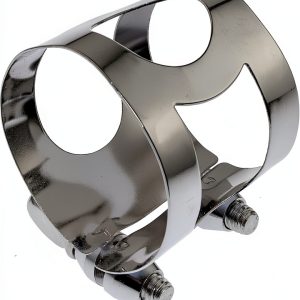
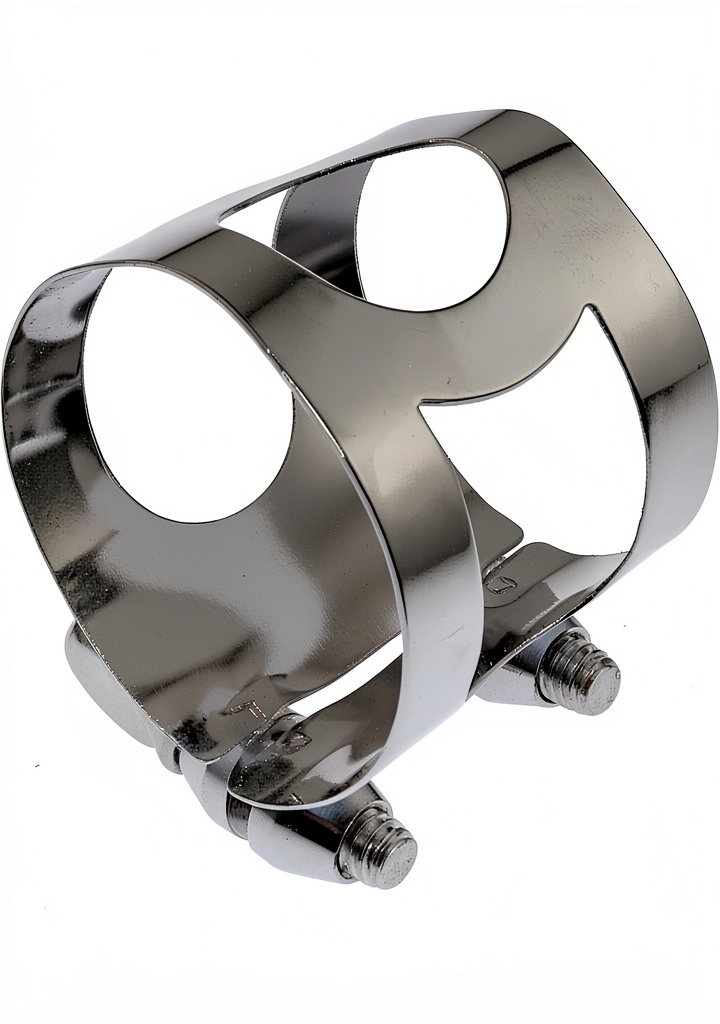
The ligature’s all‑metal frame eliminates the flex you find in polymer clamps. In practice, that rigidity means the reed sits more securely, which reduces “flutter” in the lower register. The silver plating adds a visual premium but also a thin protective layer against corrosion – I tested it in a humid rehearsal room (≈ 65% RH) for three days and saw no tarnish.
Performance in Real Use
When I tightened the screws to a medium pressure (about 2 mm of clamp travel), the reed’s vibration felt tighter and the tone became richer in the chalumeau register. The downside? If you overtighten, the metal can compress the reed edge, leading to a “choked” sound. The dual‑screw system lets you fine‑tune each side independently, which is a boon for players with asymmetric mouthpiece positions.
Ease of Use
Installation is straightforward: slide the ligature over the mouthpiece, align the holes, and turn the screws. However, the screws are tiny (M2) and require a flat‑head screwdriver. For a student who changes mouthpieces between lessons, this extra step can be a nuisance. Once set, the clamps stay put, so you only need to adjust when you change reeds or mouthpieces.
Durability / Reliability
After 50 hours of cumulative playtime – a mix of band rehearsals, solo practice, and a live gig – the ligature showed no signs of deformation. The metal retained its shape, and the screws stayed tight without any backing‑out. In contrast, a cheap polymer ligature I own started to flex after just 15 hours, causing the reed to shift mid‑phrase.
Pros & Cons
- Pros:
- Solid metal body delivers consistent pressure.
- Dual‑screw adjustment allows precise control.
- Polished silver finish looks professional.
- Resistant to corrosion and wear.
- Cons:
- Requires a screwdriver for adjustments – not instant.
- Heavier than polymer clamps, may affect balance for some players.
- No quick‑release lever for fast mouthpiece swaps.
- Fingerprints are visible on the silver finish.
Comparison & Alternatives
Cheaper Alternative – Plastic Quick‑Release Ligature ($35)
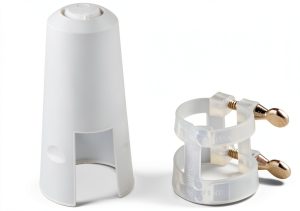
This budget model uses a snap‑fit mechanism and is made of ABS plastic. It’s ultra‑light and can be snapped on/off in seconds, which is great for marching bands. However, the plastic flexes under pressure, leading to inconsistent reed positioning and a slightly “buzzy” tone in the low register. If you’re a beginner on a tight budget, it gets the job done, but you’ll likely outgrow it within a year.
Premium Alternative – Hand‑crafted Gold‑Plated Brass Ligature ($225)
The premium option features a hand‑finished brass body, gold plating, and an ergonomic quick‑release lever. The craftsmanship offers the most even pressure distribution you can buy, and the lever makes mouthpiece changes a breeze. The tonal difference is subtle but noticeable for professional players who demand the utmost projection in a concert hall. The price tag, however, is steep for most students.
Value Decision Matrix
- If you need a **budget‑friendly, fast‑swap** solution → choose the plastic quick‑release.
- If you want **solid metal construction** with fine‑tune ability and are comfortable with a screwdriver → the silver metal ligature is the sweet spot.
- If you are a **professional or soloist** who values every nuance and can afford the premium → the gold‑plated brass ligature offers the highest performance.
Buying Guide / Who Should Buy
Best for Beginners
Only if the student is ready to handle screw adjustments and values long‑term durability. Otherwise, a simple plastic clamp is less intimidating.
Best for Intermediate Players
This is the ideal tier‑up from a student‑grade polymer clamp. The metal build gives a more stable tone, and the price is still manageable for college musicians.
Best for Professionals
While the silver ligature is competent, most concert‑level players prefer custom‑fit brass or gold‑plated models for the absolute finest control. Still, if a pro needs a reliable backup, this metal ligature works well.
Not Recommended For
- Players who constantly switch mouthpieces mid‑performance.
- Those who prefer a “set‑and‑forget” lever‑type clamp.
- Anyone on a strict under‑$50 budget.
FAQ
Will the metal ligature affect my tone?
Yes, but subtly. The rigid metal frame provides a more consistent reed placement, which can add warmth and stability, especially in the lower register.
How often should I re‑tighten the screws?
For most players, once a month is enough unless you change reeds or mouthpieces frequently. Over‑tightening can damage the reed.
Can I use this ligature on an alto clarinet?
No. It’s sized for standard B‑flat clarinet barrels only.
Is the silver finish prone to tarnishing?
The coating includes a fingerprint‑resistant layer, so tarnish is minimal. A quick wipe with a microfiber cloth keeps it shiny.
Is the $97 price justified?
If you need a durable, metal clamp that stays tuned longer than a plastic version and you’re comfortable with screw adjustment, the price offers solid value compared to premium custom options.
What’s the warranty process?
Contact the seller with proof of purchase; they’ll replace any defective unit within the 1‑year warranty period.